

Exploring HVAC Repair Costs: A Comprehensive Guide
Share this:
HVAC repair cost is a crucial aspect of maintaining a comfortable and functional indoor environment. Understanding the factors influencing these costs, common repair services, DIY versus professional repairs, and tips for reducing expenses can help homeowners make informed decisions. Let’s delve into the world of HVAC repair costs to uncover valuable insights and practical advice.
Factors influencing HVAC repair costs
When it comes to HVAC repair costs, several factors come into play that can significantly impact the final bill. Let’s take a closer look at how different variables can influence the expenses associated with repairing your HVAC system.
Type of repair needed
The specific type of repair needed for your HVAC system can have a direct impact on the overall cost. Minor repairs such as replacing a faulty thermostat or a clogged air filter may be relatively inexpensive, while major repairs like fixing a compressor or replacing a heat exchanger can be much more costly.
Age and condition of the HVAC system
The age and condition of your HVAC system can also play a significant role in determining repair costs. Older systems may require more frequent repairs and replacement parts that are harder to find, ultimately driving up expenses. Additionally, a poorly maintained system is more likely to experience breakdowns, leading to higher repair bills.
Geographic location
Believe it or not, your geographic location can influence HVAC repair costs. Factors such as local labor rates, availability of HVAC technicians, and the cost of living in your area can all impact how much you’ll pay for repairs. For example, repairs in a major city with high living costs may be more expensive than in a rural area with lower overhead expenses.
Common HVAC repair services and their costs
When it comes to HVAC repairs, there are several common services that homeowners may need. Understanding the average costs associated with these repairs can help you budget and plan for any unexpected expenses that may arise.
Repairing a Leak
Repairing a leak in your HVAC system can vary in cost depending on the location and severity of the leak. On average, repairing a leak can cost anywhere from $150 to $400, including both parts and labor.
Replacing a Compressor
Replacing a compressor is a more complex and costly repair. On average, homeowners can expect to pay between $1,200 and $2,800 for a compressor replacement, including parts and labor.
Repairing a Faulty Thermostat
If your thermostat is not functioning properly, it may need to be repaired or replaced. The average cost for repairing a faulty thermostat ranges from $100 to $300, depending on the extent of the issue.
Evaporator Coil Replacement
The evaporator coil is a crucial component of your HVAC system. Replacing a faulty evaporator coil can cost between $650 and $1,200, including parts and labor.
Condenser Unit Repair
Repairing a damaged condenser unit can cost homeowners between $400 and $1,200, depending on the extent of the damage and the type of repair needed.
Blower Motor Replacement
If your blower motor is malfunctioning, it may need to be replaced. The average cost of replacing a blower motor ranges from $450 to $1,200, including parts and labor.
Labor Costs in HVAC Repairs
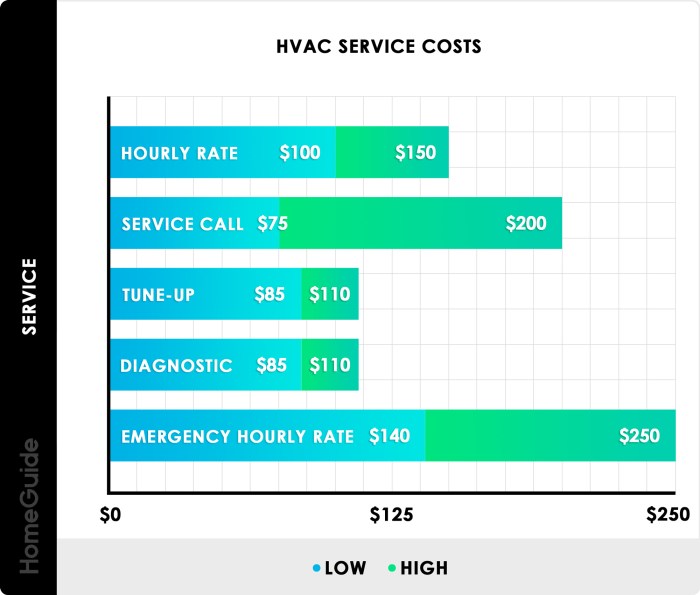
When calculating HVAC repair estimates, labor costs are a significant factor. HVAC technicians typically charge an hourly rate, which can range from $75 to $200 per hour. The total labor cost will depend on the complexity of the repair and the time required to complete the job.
DIY vs. Professional HVAC repairs
When it comes to HVAC repairs, homeowners often face the decision of whether to tackle the issue themselves or hire a professional technician. Let’s explore the costs and considerations associated with both options.
Cost Comparison
- DIY Repairs: The cost of DIY HVAC repairs can be relatively low, as you only need to purchase the necessary parts or tools. However, if the repair is not done correctly, it may result in further damage, leading to higher costs in the long run.
- Professional Repairs: Hiring a professional HVAC technician comes with a higher upfront cost due to labor charges and service fees. However, professionals have the expertise to diagnose and repair the issue correctly, reducing the risk of additional expenses down the line.
Risks and Benefits
- DIY Repairs: The main benefit of DIY repairs is cost savings, but it comes with the risk of improper repair, voiding warranties, and potential safety hazards if not done correctly. It is crucial to have the necessary skills and knowledge before attempting a DIY HVAC repair.
- Professional Repairs: While professional HVAC repairs may be more expensive, the benefits include guaranteed work, expertise, and proper diagnosis of the issue. Hiring a professional can ensure the repair is done correctly and efficiently.
Cost-Effectiveness of Hiring a Professional
- In complex HVAC issues or when dealing with high-voltage components, it is more cost-effective to hire a professional technician. Attempting DIY repairs in such situations can lead to safety hazards, expensive mistakes, and potential damage to the system.
- Additionally, when the repair requires specialized tools or knowledge that homeowners do not possess, hiring a professional ensures the job is done accurately without risking further problems.
Tips for reducing HVAC repair costs
Regular maintenance and timely inspections are key to keeping HVAC repair costs in check. By taking proactive measures, homeowners can prevent costly repairs and ensure their HVAC systems run smoothly. Additionally, choosing the right repair service can help optimize costs and avoid unnecessary expenses.
Regular Maintenance Tips
- Change air filters regularly to maintain proper airflow and prevent strain on the system.
- Keep the outdoor unit clean and free from debris to ensure efficient operation.
- Schedule annual professional maintenance to identify and address potential issues before they escalate.
Importance of Regular HVAC System Inspections
Regular HVAC system inspections can help identify minor problems before they turn into major repairs. By detecting issues early on, homeowners can save money on costly repairs and prolong the lifespan of their HVAC system.
Choosing the Right HVAC Repair Service
- Research and compare different HVAC repair companies to find one with a good reputation and competitive pricing.
- Check for proper licensing and certification to ensure the repair service meets industry standards.
- Ask for references and read reviews from past customers to gauge the quality of service provided.
Ultimate Conclusion
In conclusion, navigating HVAC repair costs involves considering various factors and options to ensure efficient and cost-effective solutions. By implementing the tips shared and understanding the nuances of repair services, individuals can better manage their HVAC systems and associated expenses.
Stay informed, stay proactive, and stay comfortable in your space.
Quick FAQs
What factors can influence HVAC repair costs?
Factors such as the type of repair needed, age and condition of the HVAC system, and geographic location can impact repair costs.
What are some common HVAC repair services and their costs?
Common HVAC repairs include fixing leaks, replacing compressors, and repairing faulty thermostats. Costs vary based on the specific service required.
Is it better to opt for DIY HVAC repairs or hire a professional?
While DIY repairs may seem cost-effective, hiring a professional ensures expertise and quality work. Consider the risks and benefits before making a decision.
How can one reduce HVAC repair costs?
Maintaining your HVAC system, scheduling regular inspections, and choosing the right repair service can all contribute to minimizing repair expenses.