

Optimizing Indoor Air Quality: HVAC Duct Repair Guide
Share this:
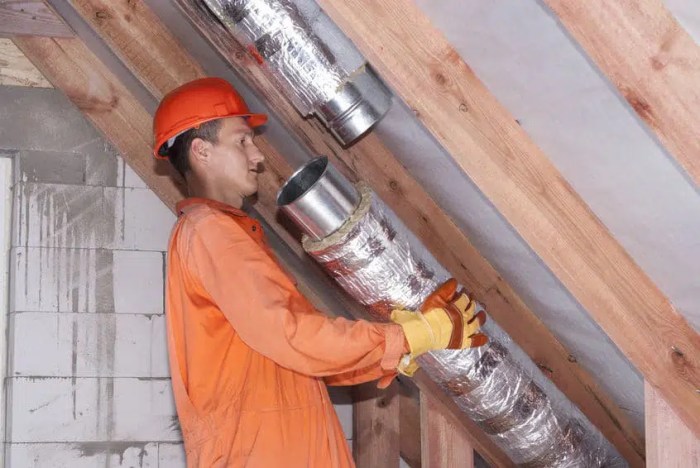
Exploring the realm of HVAC duct repair unveils the importance of maintaining a healthy living environment. From ensuring energy efficiency to safeguarding against health risks, this guide delves into the intricate world of ductwork maintenance.
As we navigate through the signs, tips, and professional services related to HVAC duct repair, you’ll gain valuable insights on how to enhance the performance of your home’s heating and cooling system.
Importance of HVAC Duct Repair
Regular maintenance of HVAC ducts is crucial for indoor air quality as the ducts play a significant role in circulating air throughout the home. Neglected ducts can accumulate dust, dirt, allergens, and even mold, which can then be circulated into the living spaces, leading to poor indoor air quality and potential health issues for the occupants.
Impact on Energy Efficiency
Neglected and damaged HVAC ducts can also impact energy efficiency in a home. When ducts are leaking or blocked, the system has to work harder to heat or cool the space, leading to increased energy consumption and higher utility bills.
Proper maintenance and repair of ducts can ensure that the HVAC system operates efficiently, saving energy and reducing costs in the long run.
Health Risks
Damaged HVAC ducts can pose potential health risks to the occupants of a home. Mold growth in ducts can release spores into the air, triggering allergies and respiratory issues. Additionally, pests and rodents can find their way into damaged ducts, introducing contaminants and pathogens into the air supply.
Regular inspection and repair of HVAC ducts are essential to maintain a healthy indoor environment for the household.
Signs of Ductwork Issues
When it comes to HVAC ductwork, it’s important to be aware of the signs that indicate potential problems. Ignoring these issues can lead to decreased efficiency and increased energy costs. Here are some common indicators to look out for:
Visual Inspections
One way to detect ductwork issues is through a visual inspection. Look for signs of wear and tear, such as holes, cracks, or disconnected sections. Inspect the seams and joints for any gaps or leaks. Additionally, check for any signs of rust or corrosion, as this can weaken the ducts over time.
Airflow Differences
Another way to identify ductwork problems is by paying attention to airflow differences throughout your home. If you notice rooms that are consistently warmer or colder than others, it could be a sign of ductwork issues. Uneven airflow can indicate blockages, leaks, or inadequate insulation in the ducts.
DIY Duct Repair Tips
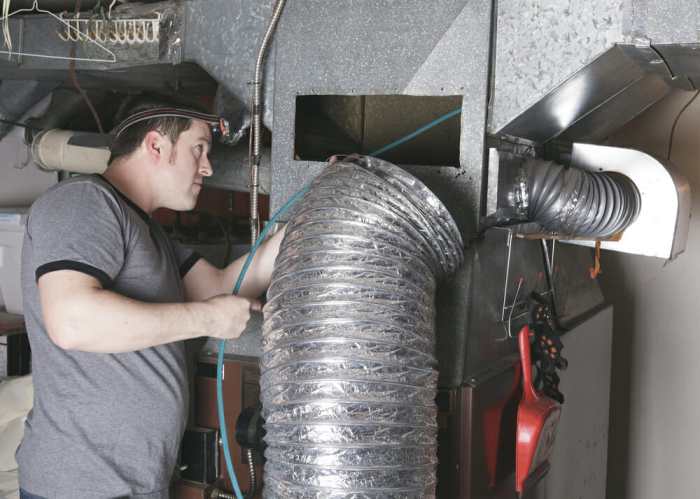
When it comes to DIY duct repair, there are a few key steps you can take to seal minor leaks and insulate your ducts effectively. These tips can help improve the efficiency of your HVAC system and reduce energy loss in your home.
Sealing Minor Duct Leaks
To seal minor duct leaks, you will need the following materials:
- Duct mastic or foil tape
- Paintbrush or putty knife
- Clean rag
Follow these steps to seal the leaks:
- Locate the leaks by feeling for air escaping from the ducts.
- Clean the area around the leak with a damp rag to remove any dirt or dust.
- Apply duct mastic or foil tape over the leak, using a paintbrush or putty knife to ensure a secure seal.
- Allow the mastic or tape to dry completely before turning on your HVAC system.
Insulating Ducts to Prevent Energy Loss
For insulating ducts, you will need the following materials:
- Insulation sleeves or wrap
- Duct tape
- Utility knife
Here’s how you can insulate your ducts:
- Measure the length of the ducts that need insulation and cut the insulation sleeves or wrap to fit.
- Wrap the insulation around the ducts and secure it in place with duct tape.
- Use a utility knife to trim any excess insulation and ensure a snug fit.
- Repeat this process for all exposed ductwork in your home to prevent energy loss.
By following these DIY duct repair tips, you can improve the efficiency of your HVAC system and reduce energy costs in the long run.
Professional HVAC Duct Repair Services
When it comes to HVAC duct repair, hiring a professional can offer a range of benefits that DIY repairs may not provide. Professional duct repair services can ensure that your system is functioning efficiently, improve indoor air quality, and extend the lifespan of your HVAC system.
Benefits of Professional Duct Sealing and Repair
- Expertise: HVAC professionals have the knowledge and experience to accurately diagnose ductwork issues and provide effective solutions.
- Quality Workmanship: Professionals use specialized tools and materials to seal and repair ducts properly, ensuring long-lasting results.
- Improved Efficiency: Properly sealed ducts can prevent air leaks and improve airflow, leading to increased energy efficiency and lower utility bills.
- Indoor Air Quality: Professional duct repair can help eliminate contaminants and allergens that may be circulating through your home, improving indoor air quality.
- System Longevity: By addressing ductwork issues promptly and professionally, you can extend the lifespan of your HVAC system and avoid costly repairs down the line.
Cost Comparison: DIY vs. Professional Repair
- DIY Repair: While DIY duct repair may seem cost-effective initially, it can result in more significant issues if not done correctly. Improper repairs can lead to increased energy consumption, system breakdowns, and potentially costly repairs in the future.
- Professional Repair: Although hiring a professional for duct repair may incur upfront costs, the long-term benefits in terms of improved efficiency, indoor air quality, and system longevity can outweigh the initial investment.
Final Conclusion
In conclusion, prioritizing HVAC duct repair not only promotes a comfortable indoor climate but also contributes to long-term savings and well-being. By staying proactive in addressing ductwork issues, you can enjoy a more efficient and healthier living space.
Questions and Answers
What are the common indicators that suggest HVAC ducts need repair?
Some common signs include strange odors, uneven heating or cooling, increased energy bills, and visible signs of damage like holes or leaks.
What tools and materials are needed for DIY duct repair projects?
Basic tools such as duct tape, foil tape, mastic sealant, and insulation materials like fiberglass or foam boards are commonly used for DIY duct repairs.
What is the process of hiring a professional for duct repair?
When hiring a professional, they typically inspect the ductwork, identify issues, provide repair recommendations, and carry out the necessary sealing or repairs with specialized equipment.