

Heat and AC Repair: Essential Guide for Homeowners
Share this:
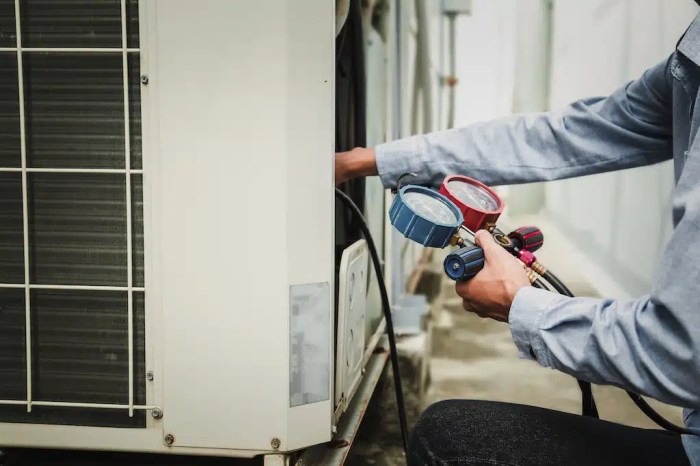
As heat and AC repair becomes a crucial part of home maintenance, this guide aims to provide valuable insights and practical tips for homeowners dealing with heating and cooling issues. From common problems to energy-efficient solutions, this comprehensive overview will help you navigate the world of HVAC repair with confidence.
Heating and air conditioning systems play a vital role in keeping our homes comfortable, and understanding how to address issues that may arise is key to maintaining a cozy indoor environment all year round.
Common Issues with Heating and AC Systems
Heating and air conditioning systems are essential for maintaining a comfortable indoor environment, but they can sometimes encounter problems that require repair. Here are some common issues homeowners face with their heating and AC systems:
1. Poor Airflow
Poor airflow can be a sign of a clogged air filter, blocked vents, or issues with the blower motor. This can lead to uneven heating or cooling throughout the home and reduced comfort levels.
2. Strange Noises
Unusual sounds such as banging, rattling, or squealing coming from the HVAC system can indicate problems with components like the blower motor, fan blades, or ductwork. Ignoring these noises can lead to further damage and costly repairs.
3. Uneven Heating or Cooling
If some rooms in your home are significantly hotter or colder than others, it could be a sign of poor insulation, duct leaks, or issues with the thermostat. This not only affects comfort but also increases energy bills.
4. Constant Cycling On and Off
Frequent cycling of the HVAC system can be caused by a malfunctioning thermostat, dirty air filters, or issues with the compressor. This not only strains the system but also reduces energy efficiency.
5. Refrigerant Leaks
Refrigerant leaks in the AC system can result in decreased cooling performance, higher energy consumption, and potential damage to the compressor. It is important to address these leaks promptly to avoid further issues.
Importance of Regular Maintenance
Regular maintenance for heating and AC units is crucial to ensure optimal performance, energy efficiency, and longevity of the system. Neglecting maintenance can lead to breakdowns, decreased efficiency, and costly repairs down the line.
Frequency of Maintenance
Regular maintenance should be performed at least once a year for both heating and AC systems. It is recommended to have the system inspected and serviced by a professional HVAC technician before the start of each season to ensure it is in top condition.
Benefits of Preventive Maintenance
Prevents breakdowns
Regular maintenance helps identify and address small issues before they turn into major problems, reducing the chances of unexpected breakdowns.
Improves efficiency
Clean filters, coils, and components allow the system to operate more efficiently, saving energy and reducing utility bills.
Extends lifespan
Proper maintenance can prolong the lifespan of your heating and AC units, saving you money on premature replacements.
Ensures safety
Regular maintenance checks can help detect and address any potential safety hazards, such as gas leaks or carbon monoxide leaks, keeping your home safe.
Maintains warranty
Many manufacturers require regular maintenance to keep the warranty valid, protecting you from costly repairs in case of a breakdown.
DIY Troubleshooting Tips
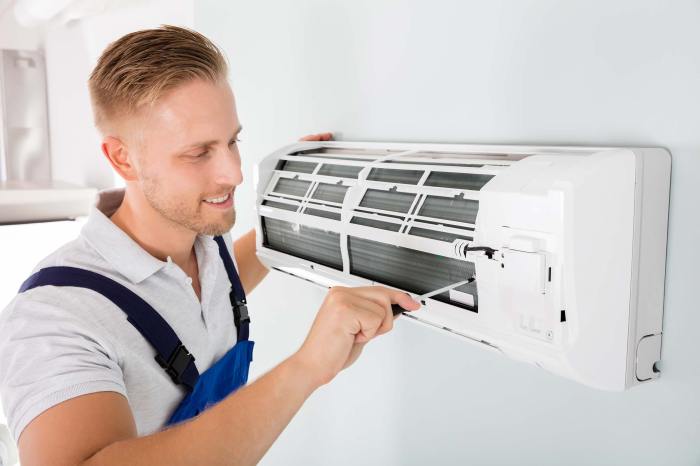
When dealing with common heating and AC problems, it can be helpful to try some do-it-yourself troubleshooting before calling a professional technician. However, it’s important to follow safety precautions and know when it’s best to leave the repairs to the experts.
Checking Air Filters
- Inspect the air filters regularly and replace them if they are dirty or clogged.
- Dirty filters can restrict airflow and cause the system to work harder, leading to inefficiency and potential damage.
- Refer to the manufacturer’s instructions for the correct filter type and replacement schedule.
Thermostat Calibration
- Make sure the thermostat is set to the correct temperature and mode (heating or cooling).
- Check the batteries in the thermostat and replace them if needed.
- Calibrate the thermostat if you notice temperature discrepancies or if the system is not responding correctly.
Inspecting Ductwork
- Check the ductwork for any leaks, gaps, or blockages that could be affecting airflow.
- Seal any leaks with duct tape or caulk and clear any obstructions to improve system efficiency.
- Consider hiring a professional duct cleaning service for a thorough inspection and cleaning.
Refrigerant Levels
- If you have a refrigerant-based AC system, check the refrigerant levels regularly.
- Low refrigerant levels can indicate a leak and should be addressed by a professional technician.
- Attempting to handle refrigerant without proper training can be dangerous and may lead to further damage.
Hiring a Professional Repair Service
When it comes to hiring a professional repair service for your heating and AC systems, there are several important factors to consider to ensure you choose the right one for the job.Certifications and licenses play a crucial role in the selection process as they indicate that the technicians have the necessary training and expertise to handle the repairs effectively and safely.Typical costs associated with professional repairs can vary depending on the complexity of the issue, the parts needed for replacement, and the time required to complete the repair.
It is essential to get a detailed estimate upfront to avoid any surprises later on.
Factors to Consider
- Experience and Expertise: Look for a repair service with experienced technicians who have a proven track record of successfully fixing heating and AC systems.
- Reputation and Reviews: Check online reviews and ask for recommendations from friends or family to ensure you are hiring a reputable repair service.
- Response Time: In case of emergencies, choose a repair service that offers prompt response times to prevent further damage to your systems.
Importance of Certifications and Licenses
Having the right certifications and licenses is crucial when selecting a repair service as it guarantees that the technicians have undergone proper training and have the necessary skills to handle the repairs professionally.
Typical Costs of Professional Repairs
Professional repair costs can range from a few hundred to several thousand dollars, depending on the extent of the repairs needed. It is advisable to get multiple quotes and compare prices to ensure you are getting a fair deal.
Energy-Efficient Heating and Cooling Solutions
When it comes to modern energy-efficient technologies for heating and cooling systems, there are several options available that can help homeowners save on energy costs while reducing their environmental impact.
Benefits of Upgrading to Energy-Efficient Units
Upgrading to energy-efficient heating and cooling units can provide numerous benefits, such as:
- Lower energy bills due to reduced energy consumption.
- Improved indoor air quality for better health and comfort.
- Extended lifespan of the HVAC system with less wear and tear.
- Reduced carbon footprint for a more environmentally friendly home.
Maximizing Energy Savings with HVAC Systems
Here are some tips to help homeowners maximize energy savings with their HVAC systems:
- Set programmable thermostats to adjust temperatures based on when you are home or away.
- Regularly clean or replace air filters to ensure efficient airflow.
- Seal any leaks in ductwork to prevent air loss and improve system efficiency.
- Ensure proper insulation in your home to reduce heat loss in winter and heat gain in summer.
- Schedule annual maintenance with a professional HVAC technician to keep your system running efficiently.
Extending the Lifespan of Heating and AC Units
Regular maintenance plays a crucial role in extending the lifespan of heating and AC systems. By ensuring that these units are well-maintained, you can prevent unnecessary wear and tear, identify potential issues early, and ultimately prolong their functionality.
Importance of Proper Installation
Proper installation is paramount to the longevity of heating and AC units. When these systems are installed correctly, they operate more efficiently and are less likely to experience breakdowns due to poor installation practices. It is essential to hire a professional HVAC technician to ensure that your units are installed correctly from the start.
Tips for Caring for Heating and AC Units
- Change air filters regularly: Dirty filters can restrict airflow and cause the system to work harder, leading to increased wear and tear.
- Keep the outdoor unit clean: Clear debris and vegetation around the outdoor condenser unit to allow for proper airflow.
- Schedule annual maintenance: Regular tune-ups by a professional HVAC technician can help identify and address potential issues before they escalate.
- Monitor thermostat settings: Avoid setting the thermostat too high or too low, as this can cause the system to overwork.
- Invest in a programmable thermostat: Programmable thermostats can help regulate the temperature more efficiently, reducing strain on the system.
Conclusion
In conclusion, staying proactive with regular maintenance and knowing when to seek professional help are essential steps in ensuring your heating and AC units run smoothly. By following the tips Artikeld in this guide, you can tackle common problems effectively and make informed decisions when it comes to repair and maintenance.
Clarifying Questions
What are some signs that indicate a need for heating and AC repair?
Common signs include strange noises, uneven heating or cooling, and a sudden increase in energy bills.
How often should heating and AC units undergo maintenance?
It’s recommended to schedule maintenance at least once a year to keep your systems running efficiently.
When should homeowners attempt DIY troubleshooting for HVAC problems?
Homeowners can try DIY troubleshooting for simple issues like changing air filters, but should call a professional for complex problems.
What factors should be considered when hiring a professional repair service?
Consider factors like experience, certifications, and customer reviews when choosing a repair service.
How can homeowners maximize energy savings with their HVAC systems?
Homeowners can maximize energy savings by upgrading to energy-efficient units, maintaining regular maintenance, and adjusting thermostats for optimal usage.