

The Ultimate Guide to Air and Heat Repair: Everything You Need to Know
Share this:
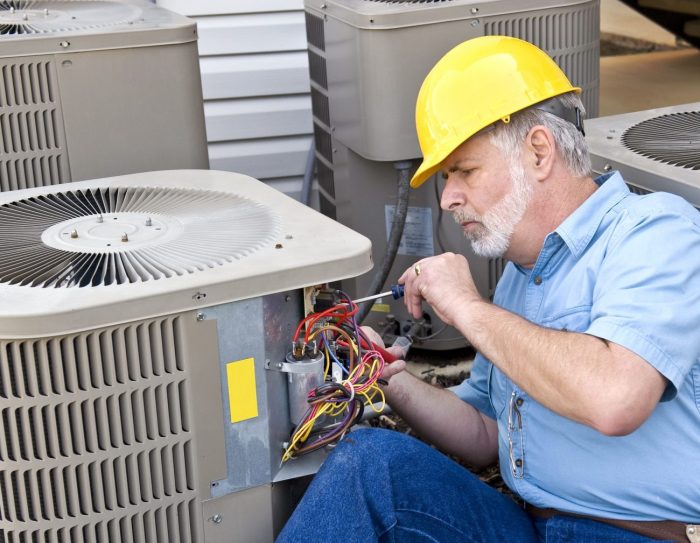
Embark on a journey through the world of air and heat repair, where we uncover the importance of regular maintenance, common repair services, DIY tips, and seasonal maintenance for HVAC systems. Stay tuned for valuable insights and expert advice on keeping your systems in top shape.
Importance of Air and Heat Repair
Regular maintenance for air conditioning and heating systems is crucial to ensure optimal performance and efficiency. Neglecting air and heat repair can lead to a variety of issues that not only affect the comfort of your home but also impact your energy bills and the longevity of your HVAC system.
Timely repairs play a key role in maintaining the efficiency and extending the lifespan of your heating and cooling equipment.
Significance of Regular Maintenance
- Regular maintenance helps identify and address minor issues before they escalate into major problems, saving you time and money in the long run.
- Proper maintenance can improve the overall efficiency of your HVAC system, reducing energy consumption and lowering utility bills.
- Well-maintained air conditioning and heating systems provide better indoor air quality, creating a healthier environment for you and your family.
Consequences of Neglecting Air and Heat Repair
- Neglecting air and heat repair can result in system breakdowns at inconvenient times, leading to discomfort and costly emergency repairs.
- Dirty filters, clogged ducts, and malfunctioning components can reduce the efficiency of your HVAC system, causing it to work harder and consume more energy.
- Ignoring repairs may shorten the lifespan of your air conditioner or heater, requiring premature replacement and additional expenses.
Benefits of Timely Repairs
- Timely repairs ensure that your HVAC system operates at peak performance, delivering consistent comfort throughout your home.
- Regular maintenance can extend the lifespan of your heating and cooling equipment, delaying the need for costly replacements.
- Efficient HVAC systems contribute to lower energy bills, saving you money in the long term and reducing your carbon footprint.
Common Air and Heat Repair Services
When it comes to air conditioning and heating system repair, there are a variety of services that HVAC technicians typically offer to ensure your system is running smoothly. Below are some of the most common services provided:
Air Conditioning Repair Services
- Checking and replacing air filters
- Inspecting and cleaning evaporator and condenser coils
- Recharging refrigerant levels
- Repairing or replacing faulty compressors
- Fixing issues with the thermostat
- Addressing leaks in the ductwork
- Testing overall system performance
Heating System Repair Services
- Checking and cleaning the furnace or heat pump
- Inspecting and replacing air filters
- Testing and repairing faulty pilot lights or ignition systems
- Addressing issues with the blower motor
- Repairing or replacing malfunctioning thermostats
- Ensuring proper airflow and ventilation
- Testing the system for efficient heating performance
Diagnosing HVAC Issues
When it comes to diagnosing problems in HVAC systems, technicians follow a systematic approach to identify the root cause of the issue. This often involves:
- Conducting a thorough inspection of the entire system
- Using diagnostic tools to check various components
- Testing airflow and temperature levels
- Listening for unusual sounds or vibrations
- Checking for leaks or blockages in the system
DIY Tips for Air and Heat Repair
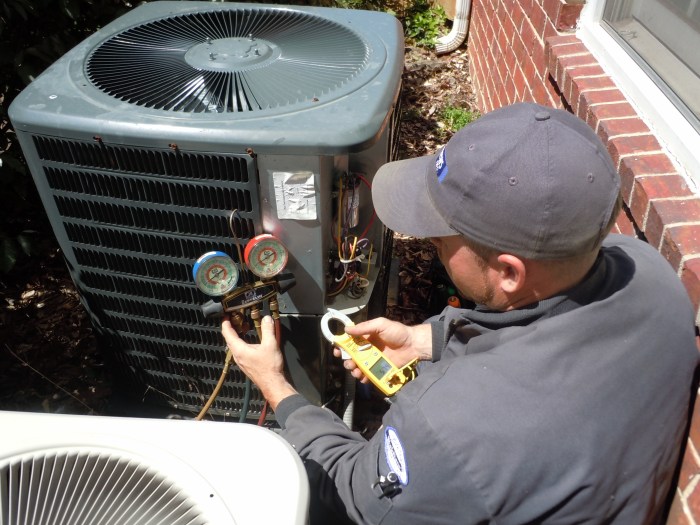
Maintaining your air conditioning and heating systems regularly can help prevent breakdowns and extend the lifespan of your equipment. While some repairs do require professional assistance, there are several maintenance tasks you can perform yourself to keep your HVAC system running smoothly.
Changing Air Filters Regularly
One of the simplest yet most crucial maintenance tasks is changing your air filters regularly. Clogged or dirty filters can restrict airflow, reducing the efficiency of your system and causing strain on the equipment. Aim to replace your filters every 1-3 months, depending on use.
Cleaning Vents and Ductwork
Over time, dust and debris can accumulate in your vents and ductwork, hindering airflow and reducing indoor air quality. Use a vacuum or damp cloth to clean vents and ensure there are no obstructions in the ductwork. This can help improve airflow and prevent potential issues.
Checking Thermostat Settings
Ensure your thermostat is set correctly to the desired temperature and mode (cooling or heating). If you notice inconsistent temperatures or your system is not responding to thermostat adjustments, check the batteries and settings to troubleshoot the issue before calling a professional.
Inspecting Outdoor Unit
Regularly inspect the outdoor unit of your air conditioner or heat pump. Clear away any debris, leaves, or vegetation surrounding the unit to maintain proper airflow. Additionally, check for any visible damage or unusual noises coming from the outdoor unit.
Monitoring System Performance
Pay attention to any unusual sounds, smells, or changes in performance from your HVAC system. If you notice any issues such as loud banging noises, musty odors, or uneven heating/cooling, it may be time to seek professional help to diagnose and repair the problem.
Seasonal Maintenance for HVAC Systems
Seasonal maintenance for HVAC systems is crucial to ensure optimal performance and longevity of your air conditioning and heating units. By following a regular maintenance schedule, you can prevent breakdowns, improve energy efficiency, and extend the lifespan of your HVAC system.
Importance of Seasonal Maintenance for Air Conditioning Units
Regular maintenance for your air conditioning unit can help identify and address potential issues before they escalate into major problems. This can help prevent costly repairs and ensure that your AC unit operates efficiently during hot summer months.
- Inspect and clean the condenser coils to improve cooling efficiency.
- Check and replace air filters to maintain good indoor air quality.
- Test thermostat settings and calibrate if necessary for accurate temperature control.
Importance of Seasonal Maintenance for Heating Systems
Seasonal maintenance for heating systems is essential to ensure safe and reliable operation during the colder months. By scheduling regular maintenance checks, you can identify any potential issues and address them promptly to avoid heating failures when you need it the most.
- Inspect and clean the burners to improve heating efficiency.
- Check and replace air filters to maintain good indoor air quality.
- Test and adjust pilot lights and ignition systems for proper functioning.
Recommended Schedule for Maintenance Checks Throughout the Year
It is recommended to perform maintenance checks on your HVAC system at least twice a year – once before the start of the cooling season and once before the start of the heating season. This ensures that your system is in top condition and ready to handle the demands of changing weather.
- Spring Maintenance: Inspect and tune-up the air conditioning unit to prepare for the summer.
- Fall Maintenance: Inspect and tune-up the heating system to prepare for the winter.
Outcome Summary
As we conclude our exploration of air and heat repair, remember that a well-maintained HVAC system is key to a comfortable and efficient home. Take the necessary steps to address any issues promptly and enjoy the benefits of a well-functioning heating and cooling system for years to come.
Common Queries
How often should I schedule maintenance for my HVAC system?
Maintenance should ideally be scheduled twice a year, in the spring for air conditioning units and in the fall for heating systems.
Can I perform DIY repairs on my HVAC system?
Simple maintenance tasks like changing filters can be done by homeowners, but complex repairs should be left to professionals.
What are the potential consequences of neglecting air and heat repair?
Neglecting repair can lead to decreased efficiency, higher energy bills, and even system breakdowns in the long run.