

Exploring HVAC Yearly Maintenance Cost: Factors, Components, DIY, and Strategies
Share this:
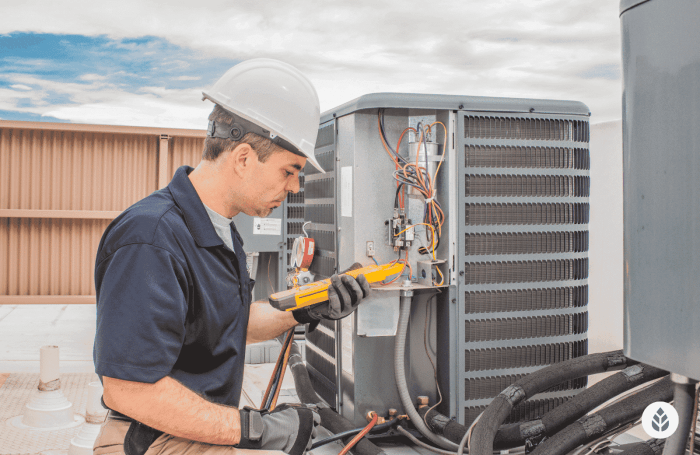
Delve into the world of HVAC yearly maintenance cost with a detailed exploration of factors, components, DIY options, and cost-saving strategies. Discover how these elements play a crucial role in managing your HVAC system efficiently.
Learn about the key components and tasks involved in maintaining your HVAC system to ensure optimal performance and longevity.
Factors influencing HVAC yearly maintenance cost
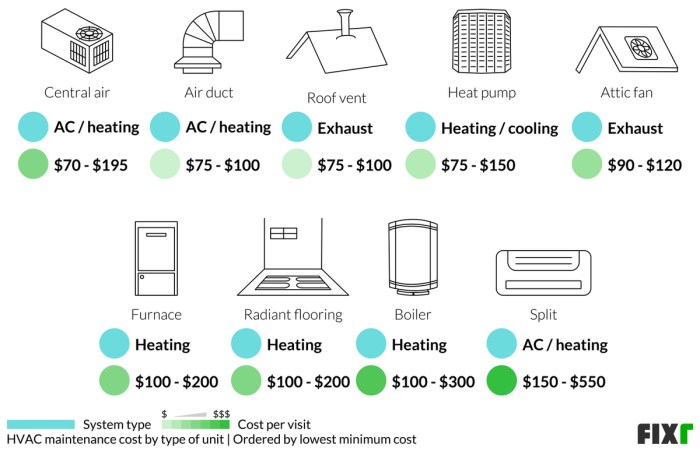
When it comes to determining the annual maintenance cost of HVAC systems, several factors come into play. These factors can significantly impact the overall expenses and the efficiency of your HVAC system.
Age of the HVAC system
The age of the HVAC system is a crucial factor that affects maintenance costs. As HVAC systems get older, they tend to require more frequent repairs and maintenance to keep them running efficiently. Older systems may also have outdated components that are more prone to failure, leading to increased maintenance expenses over time.
Type of HVAC system
The type of HVAC system you have installed in your home also plays a significant role in determining maintenance costs. Central HVAC systems, for example, typically require more extensive maintenance due to their complex ductwork and components. On the other hand, ductless HVAC systems may have lower maintenance costs as they have fewer moving parts and are easier to access for repairs and maintenance.
Regular maintenance
Regular maintenance is key to reducing long-term maintenance costs for your HVAC system. By scheduling annual tune-ups and inspections, you can identify and address potential issues before they escalate into costly repairs. Routine maintenance can help improve the efficiency of your system, prolong its lifespan, and ultimately save you money on maintenance expenses in the long run.
Typical components included in HVAC maintenance
Regular HVAC maintenance typically covers the inspection and cleaning of various essential components to ensure the system operates efficiently and effectively. Let’s explore the key components included in a standard yearly HVAC maintenance service:
Filters
- Filters play a crucial role in maintaining good indoor air quality by trapping dust, dirt, and other particles. Clogged filters can restrict airflow, reducing the system’s efficiency and increasing energy consumption.
- Regularly cleaning or replacing filters helps prevent dust buildup, improves air quality, and ensures the HVAC system functions optimally.
Coils
- The evaporator and condenser coils are responsible for cooling and heating the air that passes through the system. Over time, these coils can accumulate dirt and debris, hindering heat transfer and reducing efficiency.
- Cleaning the coils during maintenance helps maintain proper heat exchange, improves energy efficiency, and prolongs the lifespan of the HVAC system.
Ductwork
- The ductwork distributes conditioned air throughout the building. Leaks, blockages, or poor insulation in the ducts can lead to energy loss, uneven heating or cooling, and reduced indoor air quality.
- Inspecting and cleaning the ductwork as part of maintenance helps identify and address any issues that may impact the system’s performance, ensuring optimal airflow and comfort.
Refrigerant Levels
- Refrigerant is essential for the cooling process in air conditioning systems. Low refrigerant levels can indicate a leak or other issues that affect the system’s cooling capacity.
- Checking and adjusting refrigerant levels during maintenance helps prevent system breakdowns, ensures efficient cooling, and promotes energy savings.
Electrical Connections
- Faulty electrical connections can cause system malfunctions, short cycling, or even electrical hazards. Inspecting and tightening electrical connections helps prevent these issues and ensures safe and reliable operation.
- Regular maintenance checks on electrical components can help identify potential problems early, preventing costly repairs and ensuring the HVAC system operates smoothly.
DIY vs. professional maintenance services
When it comes to HVAC maintenance, homeowners often face the decision of whether to tackle the tasks themselves or hire professional services. Let’s explore the costs and benefits of each option.
DIY HVAC Maintenance
Performing some maintenance tasks on your HVAC system can help save money and keep your unit running efficiently. Tasks like changing air filters, cleaning vents, and checking for leaks are suitable for homeowners to handle on their own. These routine tasks can be done easily with the right tools and knowledge, helping to prolong the lifespan of your HVAC system.
Professional HVAC Inspections
While some maintenance tasks can be DIY, there are advantages to hiring professional HVAC services for regular inspections. Professional technicians have the expertise to spot potential issues early on, preventing costly repairs down the line. They can also perform more complex tasks like checking refrigerant levels, testing electrical components, and ensuring optimal system performance.
Professional inspections can provide peace of mind knowing that your HVAC system is in good hands.
Strategies to reduce HVAC maintenance costs
To minimize HVAC maintenance expenses, homeowners can follow these tips:
Benefits of Maintenance Plans
- Signing up for maintenance plans offered by HVAC companies can help spread out the cost of regular maintenance over the year.
- These plans often include priority service, discounts on repairs, and scheduled maintenance visits, which can help prevent costly breakdowns.
- Regular maintenance can also extend the lifespan of your HVAC system, saving you money in the long run.
Energy-Efficient Practices
- Implementing energy-efficient practices, such as using programmable thermostats, sealing ductwork, and changing air filters regularly, can reduce the workload on your HVAC system.
- This can lead to lower energy bills and less strain on the system, potentially reducing the need for repairs and maintenance.
- Investing in energy-efficient HVAC equipment can also result in long-term savings on maintenance costs.
Timely Repairs
- Addressing minor issues promptly can prevent them from escalating into major problems that require costly repairs.
- Regular inspections and timely repairs can help maintain the efficiency and performance of your HVAC system, reducing the overall maintenance costs.
- Ignoring small problems can lead to system failures, resulting in expensive repairs or even the need for a full system replacement.
Final Thoughts
In conclusion, understanding HVAC yearly maintenance costs empowers homeowners to make informed decisions, save on expenses, and enhance the lifespan of their HVAC systems. Take charge of your maintenance routine and reap the benefits of a well-maintained HVAC system.
FAQ Explained
What factors can influence HVAC yearly maintenance cost?
Factors such as system age, type of HVAC system, and regular maintenance can impact yearly maintenance costs.
Which components are typically included in HVAC maintenance services?
Standard yearly HVAC maintenance usually covers components like filters, coils, ductwork, refrigerant levels, and electrical connections.
Is DIY HVAC maintenance cost-effective compared to professional services?
DIY maintenance can save costs, but professional inspections ensure thorough checks and help prevent risks associated with DIY maintenance.
How can homeowners reduce HVAC maintenance costs?
Homeowners can minimize costs by signing up for maintenance plans, practicing energy-efficient habits, and promptly addressing repairs to prevent breakdowns.