

Heating Repair in My Area: A Comprehensive Guide to Keeping Your Home Warm
Share this:
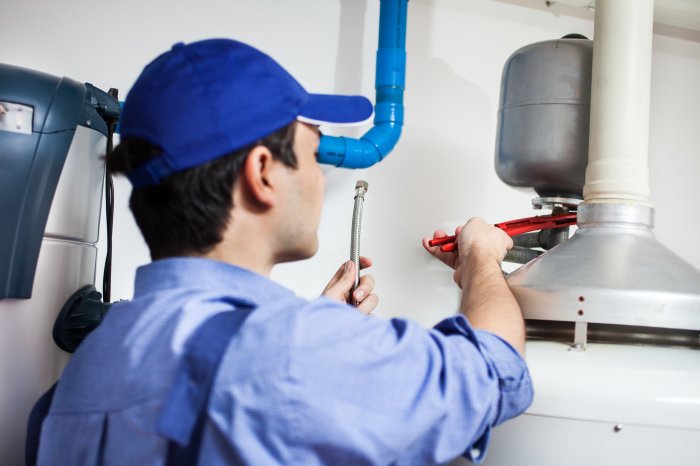
Heating repair in my area sets the stage for this comprehensive guide, providing valuable insights into the world of maintaining a cozy and warm home. From the importance of timely repairs to the various types of heating systems available, this narrative aims to equip readers with the knowledge needed to navigate the realm of heating repair with confidence.
As we delve deeper into the nuances of heating repair in residential areas, readers will uncover essential tips, cost considerations, and DIY maintenance tasks that can help them make informed decisions and ensure their heating systems function optimally.
Importance of Heating Repair
Timely heating repair services are crucial to ensure the efficiency and longevity of your heating system. Regular maintenance and prompt repairs can help prevent costly breakdowns and keep your home warm and comfortable.
Signs that indicate a need for heating repair
- Strange noises coming from the heating system, such as banging, rattling, or whistling sounds.
- Inconsistent heating throughout your home, with some rooms being too hot or too cold.
- An increase in your energy bills without a corresponding increase in usage.
- Frequent on/off cycling of the heating system.
- An unexplained burning smell when the heating system is running.
Types of Heating Systems
When it comes to heating systems in residential areas, there are several options to choose from. Each type has its own set of pros and cons, as well as unique maintenance requirements. Let’s explore the different heating systems commonly found in homes.
Furnaces
Furnaces are one of the most popular heating systems used in residential buildings. They work by heating air and then distributing it throughout the house via ductwork.
- Pros: Furnaces are known for their fast and efficient heating capabilities, making them ideal for colder climates. They are also relatively affordable compared to other heating systems.
- Cons: Furnaces can be noisy during operation and require regular filter changes to maintain air quality. They also rely on a non-renewable energy source like natural gas or oil.
- Maintenance: Regular maintenance, such as filter replacements and annual inspections, is essential to ensure the furnace operates efficiently and safely.
Heat Pumps
Heat pumps are another common heating system that can both heat and cool a home. They work by transferring heat from the outside air to inside the house during the winter and vice versa during the summer.
- Pros: Heat pumps are energy-efficient and environmentally friendly, as they use electricity to move heat rather than generate it. They can also provide both heating and cooling, eliminating the need for separate systems.
- Cons: In colder climates, heat pumps may struggle to efficiently heat a home, requiring a backup heating source. They can also be more expensive upfront compared to other heating systems.
- Maintenance: Regular maintenance, including cleaning coils and checking refrigerant levels, is important to ensure the heat pump operates effectively.
Boilers
Boilers are heating systems that use water to distribute heat throughout a home. The heated water is circulated through radiators or underfloor heating systems to warm the space.
- Pros: Boilers provide consistent, even heating and are known for their durability and longevity. They can also be more energy-efficient compared to other systems.
- Cons: Boilers can be expensive to install and require more maintenance compared to other systems. They also pose a risk of water leaks or pipe bursts.
- Maintenance: Regular maintenance, such as checking for leaks, bleeding radiators, and ensuring proper water pressure, is necessary to keep the boiler running smoothly.
Finding Reliable Heating Repair Services
Finding a reliable heating repair service is crucial to ensure that your heating system is in good hands. Here are some tips on how to research and find reputable heating repair companies in your area.
Checking Licenses, Certifications, and Insurance
When selecting a heating repair service provider, it is important to check for licenses, certifications, and insurance. These credentials demonstrate that the company has met certain standards and requirements to perform heating repairs. Make sure to ask for proof of these documents before hiring a heating repair company.
Questions to Ask Potential Heating Repair Companies
Before hiring a heating repair company, it is essential to ask the right questions to ensure they are the right fit for your needs. Here is a checklist of questions to consider:
- What is your experience in heating repair?
- Do you offer emergency services?
- Can you provide references from past clients?
- What is your pricing structure?
- Do you offer any warranties or guarantees on your work?
- How quickly can you respond to heating repair issues?
DIY Heating System Maintenance
When it comes to maintaining your heating system, there are simple tasks that homeowners can perform to ensure it runs smoothly and efficiently. Regular maintenance can help prevent costly repairs and extend the lifespan of your heating system.
Checking and Replacing Air Filters
One of the most important maintenance tasks is checking and replacing air filters regularly. Clogged or dirty air filters can restrict airflow, making your heating system work harder and less efficiently. Make sure to replace filters every 1-3 months, depending on usage.
Cleaning Vents and Ducts
Another crucial maintenance task is cleaning vents and ducts to ensure proper airflow throughout your home. Remove any dust or debris that may be blocking the vents to improve heating system efficiency.
Inspecting Thermostat Settings
Check your thermostat settings regularly to ensure they are set correctly for the season. Make sure your thermostat is programmed to maintain a comfortable temperature while also being energy-efficient.
Safety Measures for DIY Maintenance
- Always turn off the power to your heating system before performing any maintenance tasks to avoid accidents.
- Wear appropriate safety gear, such as gloves and goggles, when handling heating system components.
- If you are unsure about any maintenance task, it is best to consult a professional heating repair service.
Troubleshooting Common Heating System Issues
- If your heating system is not producing heat, check the thermostat settings and replace the air filter.
- If you hear strange noises coming from your heating system, inspect the blower motor and fan for any obstructions.
- If there are cold spots in your home, check for blocked vents or ductwork that may be hindering airflow.
- If your energy bills are higher than usual, it may be time to schedule a professional maintenance check to ensure your heating system is running efficiently.
Cost Considerations for Heating Repair
When it comes to heating repair, cost is a significant factor to consider. Understanding the various elements that influence the cost of repairs, obtaining multiple quotes, and planning for unexpected expenses are crucial steps to ensure that your heating system remains in good condition without breaking the bank.
Factors Influencing the Cost of Heating System Repairs
Several factors can impact the cost of heating system repairs, including:
- The type and age of your heating system
- The extent of the damage or issue
- The need for replacement parts
- The complexity of the repair
- The labor costs of the repair technician
Importance of Obtaining Multiple Quotes
It is important to obtain quotes from multiple heating repair companies to ensure that you are getting a fair price for the services you require. By comparing quotes, you can evaluate the cost breakdown, the services included, and the overall value offered by each company.
Tips for Budgeting and Planning for Heating Repair Expenses
Planning for unexpected heating repair expenses can help you avoid financial stress when issues arise. Here are some tips to help you budget and plan effectively:
- Set aside a portion of your budget for maintenance and repairs
- Research heating repair companies in advance to have an idea of their pricing
- Consider investing in a maintenance plan to prevent costly repairs
- Keep track of your heating system’s performance to catch issues early
- Consult with a professional to assess the condition of your heating system and anticipate potential repair costs
Concluding Remarks
In conclusion, heating repair in my area is not just about fixing a system; it’s about ensuring comfort and safety within your home. By understanding the importance of timely repairs, the types of heating systems available, and how to find reliable repair services, homeowners can proactively care for their heating systems and enjoy a warm and cozy living space all year round.
Frequently Asked Questions
What are the common signs that indicate a need for heating repair?
Some common signs include strange noises coming from the system, uneven heating in different areas of the house, and increased energy bills without a clear cause.
How can I find reputable heating repair companies in my area?
Research online reviews, ask for recommendations from friends or family, and check for licenses, certifications, and insurance before making a decision.
What factors influence the cost of heating system repairs?
Factors such as the extent of the damage, the type of heating system, and the need for replacement parts can all impact the cost of repairs.