

Understanding AC Service Charges: Factors, Types, and Cost-saving Tips
Share this:
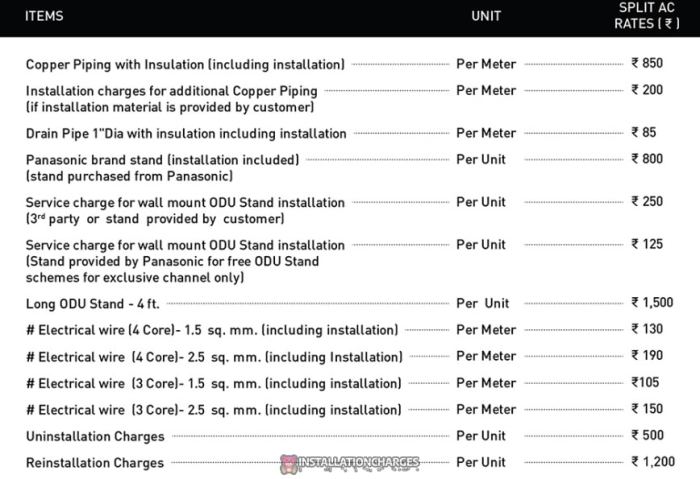
Delving into the realm of AC service charges unveils a complex landscape of costs and considerations. From understanding the components of these charges to exploring cost-saving strategies, this topic offers a comprehensive view of what influences the pricing structures in the AC service industry.
Let’s embark on a journey through the intricacies of AC service charges to gain a deeper insight into how these fees are determined and how consumers can navigate them effectively.
Understanding AC Service Charges
When it comes to AC service charges, it’s important to understand what is typically included in these costs. AC service charges usually cover the cost of labor, parts, and any necessary repairs or maintenance to keep your air conditioning unit running smoothly.
Factors Influencing AC Service Charges
- The type of service needed: Whether it’s a routine maintenance check, a repair, or a full system replacement, the type of service required will impact the overall cost.
- The complexity of the job: The more intricate the repair or maintenance task, the higher the service charges may be.
- The age and condition of the AC unit: Older units or those in poor condition may require more extensive work, leading to higher costs.
- The brand and model of the AC unit: Some brands or models may be more expensive to service due to the availability of parts or specialized knowledge required.
Varying Pricing Structures
Different service providers may have varying pricing structures for AC services. Some may charge a flat rate for specific services, while others may offer hourly rates. Additionally, some companies may include the cost of parts in their service charges, while others may bill separately for parts.
It’s essential to inquire about the pricing structure of a service provider before agreeing to any services to ensure transparency and avoid any surprises in the final bill.
Types of AC Service Charges
When it comes to AC servicing, there are various types of charges that may be involved. These charges can vary depending on the service provider, the type of AC unit, and the extent of maintenance required.
One-Time Service Fees
One-time service fees are charges that you pay for a single maintenance visit or repair service. These fees are typically based on the type of service provided and the complexity of the task. For example, a one-time service fee may cover tasks such as cleaning the AC unit, replacing filters, or fixing minor issues.
Subscription-Based Service Charges
Subscription-based service charges involve signing up for a maintenance plan or contract with an AC service provider. Instead of paying for each individual service visit, you pay a monthly or yearly fee for ongoing maintenance and support. These plans often include regular inspections, priority service, and discounts on repairs or replacement parts.
Cost-saving Tips for AC Services
Keeping your air conditioning system well-maintained not only ensures optimal performance but also helps in reducing long-term costs associated with frequent repairs. Here are some cost-saving tips for AC services:
Regular Maintenance
- Schedule regular maintenance check-ups with a professional HVAC technician to catch any issues early on.
- Change air filters regularly to improve efficiency and prevent strain on the system.
- Keep the outdoor unit clean and free from debris to ensure proper airflow.
DIY Maintenance Tasks
- Check and clean the evaporator and condenser coils to improve cooling efficiency.
- Ensure there are no blockages in the condensate drain line to prevent water damage.
- Inspect and tighten electrical connections to avoid electrical issues.
Transparency in Pricing
In the AC service industry, transparent pricing is crucial for building trust with customers and ensuring fair transactions. It allows customers to understand the cost breakdown of services and prevents them from being overcharged or surprised by hidden fees.
Importance of Transparent Pricing
- Builds trust between service providers and customers.
- Helps customers make informed decisions based on accurate cost estimates.
- Prevents misunderstandings and disputes over pricing.
Ensuring Fair Pricing
- Request a detailed breakdown of the service charges before agreeing to any work.
- Compare quotes from multiple providers to ensure prices are competitive.
- Ask about any additional fees or charges that may not be included in the initial quote.
Identifying Hidden Fees
- Pay attention to any vague or unclear language in the service quotation.
- Question any charges that seem excessive or unrelated to the service provided.
- Request an itemized invoice to understand each charge and its purpose.
Conclusive Thoughts
As we conclude our exploration of AC service charges, it becomes evident that transparency and awareness play crucial roles in managing and optimizing costs related to AC servicing. By implementing the discussed cost-saving tips and understanding the various types of charges involved, consumers can make informed decisions that benefit both their wallets and their comfort.
FAQ Section
What factors typically influence AC service charges?
AC service charges are influenced by factors such as the type of service required, the complexity of the repair or maintenance, the brand and model of the AC unit, and the service provider’s pricing policies.
What are some common fees associated with AC maintenance?
Common fees for AC maintenance include inspection charges, cleaning fees, refrigerant top-up costs, parts replacement charges, and labor fees for repair work.
How can customers ensure they are not overcharged for AC services?
Customers can avoid being overcharged by obtaining multiple quotes, asking for a detailed breakdown of costs, understanding pricing structures, and ensuring transparency in all communication with the service provider.